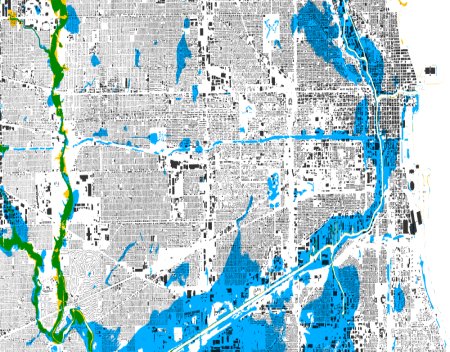
Different Types of Flood Zones
If you're asking, “Does how my home was built affect my flood insurance rates?” — the short answer is yes, absolutely.
The way your home was constructed plays a major role in how flood risk is assessed and how much you’ll pay for coverage. From foundation type to elevation to construction materials, insurers evaluate specific structural features when determining your premium.
Let’s break down exactly how your home’s construction impacts your flood insurance rates.
Your home’s foundation is one of the most important factors in flood insurance pricing.
Common foundation types include:
Slab-on-grade
Crawlspace
Basement
Elevated (piers, pilings, stilts)
Homes with basements typically carry higher flood insurance premiums because basements are more vulnerable to flood damage. Water naturally flows to the lowest point, and below-grade spaces increase potential loss.
Elevated homes—especially in coastal areas—often receive lower premiums because they’re designed to allow floodwaters to pass beneath the structure.
Flood insurance rates are heavily influenced by how your home’s lowest floor compares to the Base Flood Elevation (BFE) — the height floodwaters are expected to reach during a 1% annual chance flood event.
The Federal Emergency Management Agency (FEMA) establishes these elevations.
Below BFE → Higher premium
At BFE → Standard premium
Above BFE → Lower premium
Even a difference of one or two feet can significantly impact your rate. An elevation certificate can help document your home’s height and potentially lower your premium.
The construction date matters more than most homeowners realize.
Homes built before updated floodplain regulations may not meet modern flood-resistant building standards. These properties often face higher premiums because they were not designed with current risk mitigation practices in mind.
Newer homes built to current floodplain management standards may qualify for more favorable rates.
Flood insurance pricing also considers:
Frame vs. masonry construction
Type of siding
Roofing materials
Water-resistant building components
Masonry homes may perform differently in flood conditions than wood-frame homes. While no material is flood-proof, some construction types may reduce structural damage risk, which can influence pricing.
In coastal and high-risk flood zones, homes are often elevated on pilings. However, enclosed areas below the elevated living space can affect insurance costs.
Finished living space below the elevated floor increases potential damage exposure, which can raise premiums.
Flood-compliant enclosures with proper flood vents are typically rated more favorably than finished or non-compliant spaces.
Where your home’s utilities are located matters.
If HVAC systems, electrical panels, water heaters, and appliances are installed below the BFE, the risk of damage increases — and so can your insurance cost.
Elevating utilities above expected flood levels may help reduce premiums and protect your home from costly repairs.
Proper flood vents allow water to flow through enclosed areas instead of building pressure against walls.
Homes without compliant flood openings in certain flood zones may face higher premiums. Installing engineered flood vents can improve compliance and potentially lower rates.
Under FEMA’s updated pricing methodology known as Risk Rating 2.0, flood insurance rates are calculated using more detailed property-level data.
The National Flood Insurance Program (NFIP) now evaluates:
Foundation type
Elevation
Distance to water sources
Construction characteristics
Historical loss data
This means your home’s specific design and build features play a bigger role in determining your premium than ever before.
If your home’s construction is driving up your premium, you may have options:
Obtain or update an elevation certificate
Elevate utilities above BFE
Install proper flood vents
Retrofit enclosed areas
Review coverage limits and deductibles
Explore private flood insurance alternatives
Even small structural improvements can sometimes lead to meaningful savings.
Yes — how your home was built absolutely affects your flood insurance rates.
Insurers assess flood risk based on:
Elevation
Foundation type
Year built
Construction materials
Structural compliance
If you’re unsure how your home’s design is impacting your premium, a flood insurance specialist can review your property details and identify potential savings opportunities.
Understanding your home’s construction isn’t just helpful for compliance — it’s one of the most important factors in controlling your flood insurance costs.
I have no problem giving you an A1 reference for taking care of the flood policies for me and Diane. I appreciate you working with the mortgage company: the surveyor and our previous agent. The result was a 75% reduction in our flood insurance premiums!
I have known Tim for many years and he is a man with great integrity, work ethic and one of the nicest persons I know. Over the years Tim has provided insurance counseling and advice to our company, for myself personally, as well as to our clients. Recently Tim, took time to analyze our flood insurance policy and he was able to make some excellent recommendations. Our flood insurance costs are now less and we have much better coverage. I recommend Tim to anyone without hesitation or reservation.
We contacted Mr. Holt for an estimate via email over the weekend prior to a closing on a property, hoping for a response on the following Monday to take with us with confidence in being insured at the settlement table on a Tuesday. He exceeded our expectations not once but in readily responding to the initial request and then to follow-up questions all during the weekend frenzy that occurs before closing. "Impressive and responsive customer service," for sure!

We'll help you:
Lower your current flood insurance premiums
Eliminate excessive & unnecessary coverage
Remove the FEMA from the claims handling process