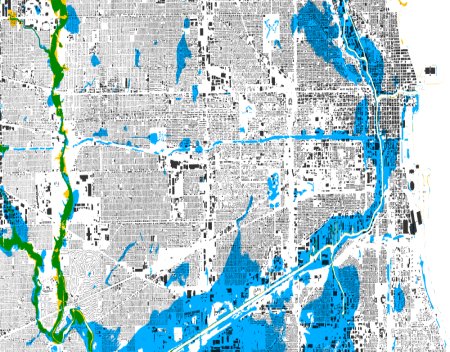
Different Types of Flood Zones
Many homeowners assume their property is protected from every type of disaster once they purchase homeowners insurance. Unfortunately, that assumption can lead to costly surprises when flooding occurs.
One of the biggest misunderstandings in home insurance is that standard homeowners insurance does not cover flood damage. This is something millions of homeowners discover only after a major storm or natural disaster.
Understanding how flood insurance actually works can help you avoid financial stress and protect one of your most valuable assets—your home.
This is the biggest misconception homeowners have.
Standard homeowners insurance policies typically cover things like:
Fire damage
Wind damage
Theft
Vandalism
Certain types of water damage
However, damage caused by flooding is almost always excluded.
Flooding is defined as rising water that affects two or more properties or acres of land, such as water from heavy rain, storm surge, overflowing rivers, or rapid snowmelt.
Because flood risk can affect large areas simultaneously, flood coverage is usually offered through separate flood insurance policies.
Another surprising fact is that flooding is not limited to coastal areas or properties near rivers.
Flooding can occur due to:
Heavy rainfall
Poor drainage systems
Urban development
Snowmelt
Blocked storm drains
Hurricane storm surge
In fact, many flood insurance claims come from homes outside officially designated high-risk flood zones.
This means homeowners who believe they are safe may still face flood risks.
Many homeowners think they can buy flood insurance when a storm is approaching. Unfortunately, most policies have a waiting period before coverage begins.
In many cases, the waiting period is 30 days after purchasing the policy.
This rule prevents people from purchasing coverage only when flooding is imminent. It also means homeowners should plan ahead before storm seasons begin.
Flood insurance often covers structural elements in a basement, but coverage for personal property and finished basement features may be limited.
Items that may have limited or no coverage include:
Carpeting
Furniture
Finished walls
Electronics
Personal belongings
However, essential systems such as water heaters, electrical systems, and furnaces are typically covered.
This is an important detail homeowners often overlook when storing valuables in basements.
Many homeowners assume flood insurance is extremely expensive, which discourages them from exploring coverage.
In reality, costs vary widely depending on factors like:
Flood zone classification
Property elevation
Location
Construction type
Coverage limits
Homes in moderate- or low-risk areas may have relatively affordable policies, especially compared to the potential cost of flood damage.
Even a few inches of floodwater can cause tens of thousands of dollars in damage.
Flood insurance generally includes two types of coverage:
This protects the physical structure of the home, including:
Foundation
Electrical systems
Plumbing systems
HVAC equipment
Built-in appliances
This helps replace personal belongings such as:
Clothing
Furniture
Electronics
Curtains and rugs
Homeowners can select coverage amounts depending on their needs.
Weather patterns, urban expansion, and environmental changes have increased flooding risks in many regions.
Areas that historically experienced minimal flooding are now seeing:
More intense rainstorms
Increased runoff
Overwhelmed drainage systems
As a result, more homeowners are considering flood insurance even in locations previously considered low-risk.
It doesn’t take a major flood to cause serious financial loss.
According to insurance industry estimates, just one inch of water inside a home can cause tens of thousands of dollars in damage.
Floodwater can damage:
Flooring
Drywall
Electrical systems
Appliances
Furniture
Because repair costs can escalate quickly, flood insurance can be an important safety net.
Flooding is one of the most common and costly natural disasters, yet many homeowners misunderstand how flood insurance works.
The key facts many homeowners don’t realize include:
Standard homeowners insurance usually does not cover flood damage
Flood insurance typically requires a separate policy
Coverage often includes a waiting period
Basement coverage may be limited
Flood risk exists even outside high-risk zones
Understanding these details before disaster strikes can help homeowners protect their property and finances.
Planning ahead is one of the most effective ways to reduce the impact of flooding and ensure your home is properly protected.

I have no problem giving you an A1 reference for taking care of the flood policies for me and Diane. I appreciate you working with the mortgage company: the surveyor and our previous agent. The result was a 75% reduction in our flood insurance premiums!
We contacted Mr. Holt for an estimate via email over the weekend prior to a closing on a property, hoping for a response on the following Monday to take with us with confidence in being insured at the settlement table on a Tuesday. He exceeded our expectations not once but in readily responding to the initial request and then to follow-up questions all during the weekend frenzy that occurs before closing. "Impressive and responsive customer service," for sure!
I have known Tim for many years and he is a man with great integrity, work ethic and one of the nicest persons I know. Over the years Tim has provided insurance counseling and advice to our company, for myself personally, as well as to our clients. Recently Tim, took time to analyze our flood insurance policy and he was able to make some excellent recommendations. Our flood insurance costs are now less and we have much better coverage. I recommend Tim to anyone without hesitation or reservation.

We'll help you:
Lower your current flood insurance premiums
Eliminate excessive & unnecessary coverage
Remove the FEMA from the claims handling process
