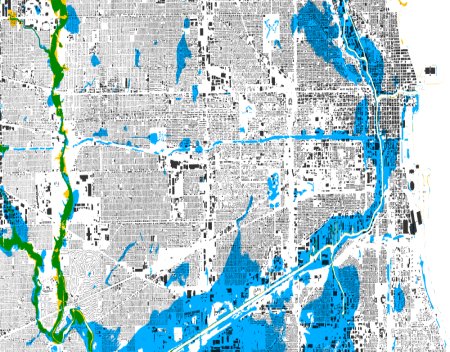
Different Types of Flood Zones
Flood insurance can be a financial lifesaver when disaster strikes. However, many homeowners assume it covers every type of water damage or loss, which is not always the case.
Understanding what flood insurance does NOT cover is just as important as knowing what it does. Without this knowledge, homeowners can face unexpected expenses after a flood.
In this guide, we’ll explain the most common flood insurance exclusions so you can protect your home and avoid costly surprises.
Flood insurance generally covers direct physical damage from flooding, but it may not cover mold or mildew that occurs because the homeowner didn’t act quickly enough.
For example, coverage may be denied if:
Water sits in the home for weeks before cleanup
Proper drying and remediation were not performed
Preventative maintenance was ignored
Flood insurance may still cover mold damage if it is unavoidable and directly caused by the flood, but preventable damage usually isn’t covered.
Many homeowners are surprised to learn that basement coverage is limited under most flood insurance policies.
Flood insurance typically covers essential building systems in basements, such as:
Electrical systems
Furnaces
Water heaters
Central air systems
Foundation elements
However, it usually does NOT cover basement improvements or personal items, including:
Finished walls or paneling
Carpeting and flooring
Furniture
Entertainment systems
Personal belongings stored in the basement
If your basement is fully finished, the repair costs after flooding can be significant.
Flood insurance focuses on protecting the structure of your home and certain belongings inside it. Outdoor features are usually excluded.
Items typically not covered include:
Landscaping and gardens
Trees and shrubs
Fences
Decks and patios
Hot tubs and pools
Walkways and driveways
Floods can cause severe erosion and landscaping damage, but these costs are typically the homeowner’s responsibility.
Unlike many homeowners insurance policies, flood insurance usually does not cover additional living expenses.
This means it will not pay for:
Hotel stays
Temporary rentals
Restaurant meals
Transportation costs
Storage costs for belongings
If your home becomes uninhabitable after a flood, these costs must usually be paid out of pocket.
Some private flood insurance policies may offer this coverage, but it’s not standard in many government-backed policies.
Flood insurance policies for homes do not cover vehicles.
Damage to cars, trucks, motorcycles, or boats must typically be covered through auto insurance policies that include comprehensive coverage.
Flooding is actually one of the most common causes of total vehicle loss during storms and hurricanes.
Flood insurance only covers direct physical damage to property.
It does not cover financial losses such as:
Lost income
Business interruption
Loss of rental income
Decline in property value
If you rely on rental property income, you may need specialized coverage to protect against these risks.
Flood insurance typically protects the insured structure itself, not the entire property.
Items outside the main building are often excluded, including:
Sheds
Detached garages (limited coverage in some cases)
Guest houses
Outdoor storage units
If you have multiple structures on your property, you may need separate coverage for each one.
Many homeowners confuse sewer backups with flooding.
Flood insurance only covers sewer or drain backups if they are directly caused by flooding.
If a backup occurs because of plumbing issues or clogged pipes, it typically won’t be covered by flood insurance.
Some homeowners policies offer optional water backup coverage for this scenario.
Insurance policies expect homeowners to take reasonable steps to protect their property.
Flood insurance may not cover damage caused by:
Failure to maintain the home
Ignoring known structural issues
Not taking steps to prevent further damage after a flood
For example, if a damaged roof allows rainwater inside after a flood and the homeowner does nothing, the additional damage may not be covered.
Most flood insurance policies do not cover certain valuable items, including:
Cash
Precious metals
Stock certificates
Important documents
If these items are destroyed during a flood, replacement costs are usually not covered.
Keeping important records in waterproof containers or digital storage can help reduce this risk.
Flood damage can be devastating financially and emotionally. Knowing what your policy doesn’t cover helps you:
Avoid unexpected claim denials
Prepare financially for potential gaps
Add additional coverage if necessary
Protect high-risk areas of your home
Many homeowners only discover these exclusions after a flood, when it’s too late.
Flood insurance is essential protection for homeowners in flood-prone areas, but it’s important to understand its limitations.
In most cases, flood insurance does not cover:
Finished basement improvements
Landscaping and outdoor property
Temporary housing costs
Vehicles
Preventable damage
Financial losses without physical damage
Reviewing your policy carefully and speaking with an insurance expert can help ensure you have the right coverage before the next storm arrives.
We contacted Mr. Holt for an estimate via email over the weekend prior to a closing on a property, hoping for a response on the following Monday to take with us with confidence in being insured at the settlement table on a Tuesday. He exceeded our expectations not once but in readily responding to the initial request and then to follow-up questions all during the weekend frenzy that occurs before closing. "Impressive and responsive customer service," for sure!
I have known Tim for many years and he is a man with great integrity, work ethic and one of the nicest persons I know. Over the years Tim has provided insurance counseling and advice to our company, for myself personally, as well as to our clients. Recently Tim, took time to analyze our flood insurance policy and he was able to make some excellent recommendations. Our flood insurance costs are now less and we have much better coverage. I recommend Tim to anyone without hesitation or reservation.
I have no problem giving you an A1 reference for taking care of the flood policies for me and Diane. I appreciate you working with the mortgage company: the surveyor and our previous agent. The result was a 75% reduction in our flood insurance premiums!

We'll help you:
Lower your current flood insurance premiums
Eliminate excessive & unnecessary coverage
Remove the FEMA from the claims handling process