Different Types of Flood Zones
Buying a home is one of the biggest financial decisions most people will ever make. While buyers often focus on factors like price, schools, and neighborhood safety, flood zones are another critical factor that can significantly impact both risk and long-term costs.
Understanding flood zones before purchasing a property can help you avoid expensive surprises, higher insurance premiums, and potential damage from flooding.
This guide explains what flood zones are, how they affect homebuyers, and what you should check before closing on a home.
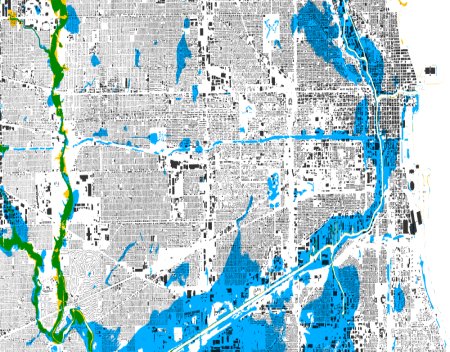
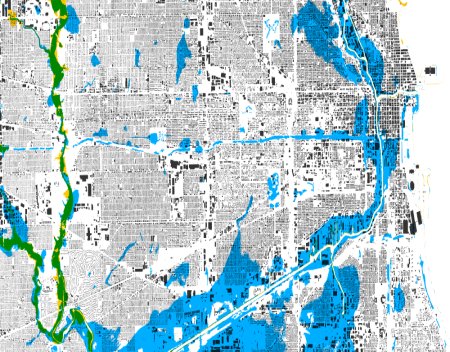
A flood zone is a geographic area defined by the likelihood of flooding. These zones are determined using historical flood data, rainfall patterns, topography, and river or coastal conditions.
Flood zones are commonly mapped by the Federal Emergency Management Agency (FEMA) through Flood Insurance Rate Maps (FIRMs).
Each zone represents a different level of flood risk, which affects:
Insurance requirements
Flood insurance premiums
Property resale value
Mortgage approval requirements
Even homes outside high-risk zones can still experience flooding.
Flood zones are typically grouped into high-risk, moderate-risk, and low-risk categories.
High-risk areas are commonly labeled:
Zone A
Zone AE
Zone AH
Zone AO
Zone VE (coastal areas)
These areas have at least a 1% chance of flooding each year, often called the 100-year floodplain.
Homes in these zones usually require flood insurance if the buyer uses a federally backed mortgage.
Moderate-risk areas are typically labeled:
Zone B
Zone X (shaded)
Flooding is less likely in these areas, but it can still occur.
Insurance is usually optional but still recommended.
Low-risk areas are often labeled:
Zone C
Zone X (unshaded)
These areas have the lowest probability of flooding, though no property is completely risk-free.
Surprisingly, a large percentage of flood claims come from homes outside high-risk zones.
Flood zones can affect your purchase in several important ways.
If a home is located in a high-risk flood zone and the buyer uses a federally backed mortgage, lenders typically require flood insurance.
This insurance is separate from homeowners insurance and can add hundreds or thousands of dollars per year to ownership costs.
Flood insurance premiums depend heavily on a property's flood zone classification.
Factors affecting cost include:
Flood zone designation
Elevation of the home
Distance from water sources
Local flood history
Homes in high-risk areas generally have higher premiums.
Flood zone status can influence property values and resale potential.
Some buyers hesitate to purchase homes in flood zones due to:
Insurance requirements
Flood risk concerns
Maintenance costs
However, in some coastal or waterfront communities, flood zones are common and may not affect demand as significantly.
Flood zones are not static. FEMA periodically updates maps based on:
Changing weather patterns
New flood data
Coastal erosion
Urban development
A home currently outside a high-risk zone could potentially be reclassified in the future, which may affect insurance requirements.
Before buying a property, homebuyers should verify its flood risk using multiple sources.
The most common tool is the FEMA Flood Map Service Center, which provides official flood zone maps for properties.
These maps show flood risk classifications and boundaries.
An elevation certificate measures how high a building sits relative to the expected flood level.
This document can influence flood insurance pricing and may help lower premiums.
Local government offices or neighbors may know if the property has experienced flooding in the past.
Previous flood damage can reveal risks that maps may not fully capture.
Before purchasing a home in or near a flood zone, buyers should ask several key questions.
Is flood insurance required for this property?
What is the current annual flood insurance premium?
Has the home flooded before?
What flood mitigation features does the property have?
Are there drainage or elevation improvements?
These answers can help buyers estimate the true long-term cost of ownership.
Buying in a flood zone does not automatically mean the purchase is a bad decision. Many flood-zone properties are perfectly safe with proper planning.
Smart buyers should:
Budget for flood insurance costs
Inspect drainage and elevation features
Consider flood-proofing improvements
Review historical flood data
Speak with insurance experts before closing
Being informed helps reduce both financial and safety risks.
Flood zones are an important factor that every homebuyer should understand before purchasing property.
They can affect:
Insurance requirements
Annual housing costs
Long-term property value
Risk of future flood damage
Taking the time to research flood zones, review FEMA maps, and understand insurance requirements can help you make a smarter and safer homebuying decision.
I have no problem giving you an A1 reference for taking care of the flood policies for me and Diane. I appreciate you working with the mortgage company: the surveyor and our previous agent. The result was a 75% reduction in our flood insurance premiums!
We contacted Mr. Holt for an estimate via email over the weekend prior to a closing on a property, hoping for a response on the following Monday to take with us with confidence in being insured at the settlement table on a Tuesday. He exceeded our expectations not once but in readily responding to the initial request and then to follow-up questions all during the weekend frenzy that occurs before closing. "Impressive and responsive customer service," for sure!
I have known Tim for many years and he is a man with great integrity, work ethic and one of the nicest persons I know. Over the years Tim has provided insurance counseling and advice to our company, for myself personally, as well as to our clients. Recently Tim, took time to analyze our flood insurance policy and he was able to make some excellent recommendations. Our flood insurance costs are now less and we have much better coverage. I recommend Tim to anyone without hesitation or reservation.
We'll help you:
Lower your current flood insurance premiums
Eliminate excessive & unnecessary coverage
Remove the FEMA from the claims handling process