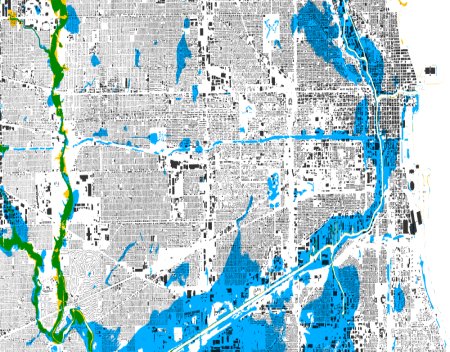
Different Types of Flood Zones
Living near the coast offers incredible views, ocean breezes, and a relaxed lifestyle—but it also comes with increased flood risk.
Storm surge, heavy rainfall, hurricanes, and rising sea levels make coastal properties especially vulnerable to flooding.
That’s why flood insurance for coastal homes is one of the most important protections a homeowner can have.
This guide explains how flood insurance works for coastal properties, what’s covered, how costs are determined, and what coastal homeowners should consider before purchasing a policy.
Coastal homes are exposed to multiple flood threats, including:
Storm surge from hurricanes and tropical storms
Heavy rainfall that overwhelms drainage systems
High tides combined with wind-driven water
Erosion and rising sea levels
Even homes that have never flooded before can still be at risk.
In fact, many flood insurance claims come from properties located outside the highest-risk zones.
Flood insurance may be required if:
Your home is in a high-risk flood zone (such as coastal or special flood hazard areas)
You have a mortgage from a federally backed lender
Even if flood insurance isn’t required, it’s still strongly recommended.
One inch of floodwater can cause tens of thousands of dollars in damage, and standard homeowners insurance does not cover flooding.
Flood insurance typically covers two main areas:
Building Coverage
This protects the structure of your home, including:
Foundation and walls
Electrical and plumbing systems
HVAC units
Built-in appliances
Flooring (with some limitations)
Detached garages (limited coverage)
Contents Coverage
This protects personal belongings such as:
Furniture
Clothing
Electronics
Washers and dryers
Coverage limits and exclusions vary by policy, especially for coastal homes, so it’s important to review details carefully.
Coastal homeowners should be aware of common exclusions, including:
Temporary living expenses
Landscaping and outdoor property
Vehicles
Most items stored below the lowest elevated floor
Damage from moisture or mold that could have been prevented
Understanding these limits helps avoid surprises during a claim.
Flood zones play a major role in flood insurance for coastal properties.
Coastal homes are often located in high-risk zones, which can impact:
Whether coverage is required
How much premiums cost
What building standards apply
Flood maps can change over time, so even long-time coastal homeowners should periodically review their flood zone designation.
Flood insurance premiums for coastal homes vary widely and depend on factors such as:
Flood zone classification
Home elevation and construction type
Distance from the shoreline or water source
Replacement cost of the structure
Type of policy selected
Coastal homes generally have higher premiums than inland properties, but there are often ways to manage costs through proper coverage selection and mitigation efforts.
Government Programs
Coastal homeowners usually have two main flood insurance options:
Standardized coverage limits
Widely accepted by mortgage lenders
Often used for high-risk flood zones
Higher coverage limits available
More flexible policy options
May offer better pricing for some coastal homes
A flood insurance specialist can help compare options and determine which solution best fits your coastal property.
Elevation is one of the most important factors for coastal flood insurance.
Homes built higher above expected flood levels typically:
Have lower premiums
Experience less damage during floods
Meet modern coastal building standards more easily
If your home has an elevation certificate, it can significantly impact pricing and eligibility.
Most flood insurance policies have a waiting period before coverage begins.
This means you cannot buy a policy right before a storm and expect immediate coverage.
For coastal homeowners, the best time to purchase flood insurance is well before hurricane season or any forecasted severe weather.
For most coastal homeowners, flood insurance is absolutely worth it.
Coastal flooding can cause catastrophic financial loss, and without flood insurance, homeowners are responsible for all repair and rebuilding costs out of pocket.
Flood insurance provides:
Financial protection
Peace of mind during storm season
Long-term property value protection
Coastal living comes with unique risks, but the right flood insurance policy can make all the difference.
Whether your home is directly on the shoreline or miles inland in a coastal community, flood insurance is one of the smartest investments you can make.
Working with a knowledgeable flood insurance agency ensures you understand your risks, choose the right coverage, and avoid paying more than necessary.

I have known Tim for many years and he is a man with great integrity, work ethic and one of the nicest persons I know. Over the years Tim has provided insurance counseling and advice to our company, for myself personally, as well as to our clients. Recently Tim, took time to analyze our flood insurance policy and he was able to make some excellent recommendations. Our flood insurance costs are now less and we have much better coverage. I recommend Tim to anyone without hesitation or reservation.
We contacted Mr. Holt for an estimate via email over the weekend prior to a closing on a property, hoping for a response on the following Monday to take with us with confidence in being insured at the settlement table on a Tuesday. He exceeded our expectations not once but in readily responding to the initial request and then to follow-up questions all during the weekend frenzy that occurs before closing. "Impressive and responsive customer service," for sure!
I have no problem giving you an A1 reference for taking care of the flood policies for me and Diane. I appreciate you working with the mortgage company: the surveyor and our previous agent. The result was a 75% reduction in our flood insurance premiums!

We'll help you:
Lower your current flood insurance premiums
Eliminate excessive & unnecessary coverage
Remove the FEMA from the claims handling process